


Why Growing Your Own Food Is One of the Healthiest Decisions You Can Make
In today’s fast-paced world, more people are becoming conscious of what they eat and where their food comes from. Concerns about pesticides, food quality, environmental impact, and rising grocery costs have encouraged many individuals to explore home gardening as a practical solution. Growing your own food offers more than just fresh vegetables—it creates a direct connection between health, sustainability, and self-sufficiency.
Whether you have a large backyard, a small balcony, or a few containers near a window, cultivating your own herbs, fruits, and vegetables can positively impact both your lifestyle and overall well-being. Home gardening empowers individuals to take greater control over food quality while fostering healthier daily habits.
Freshness and Nutritional Benefits
One of the greatest advantages of home-grown food is freshness. Produce harvested directly from your garden can be consumed immediately, helping preserve nutrients that may diminish during transportation, storage, and distribution.
Fresh vegetables and herbs often contain higher levels of vitamins, minerals, and antioxidants when compared to produce that has spent days or weeks traveling through supply chains. This allows families to enjoy healthier meals while maximizing nutritional value.
Greater Control Over Food Quality
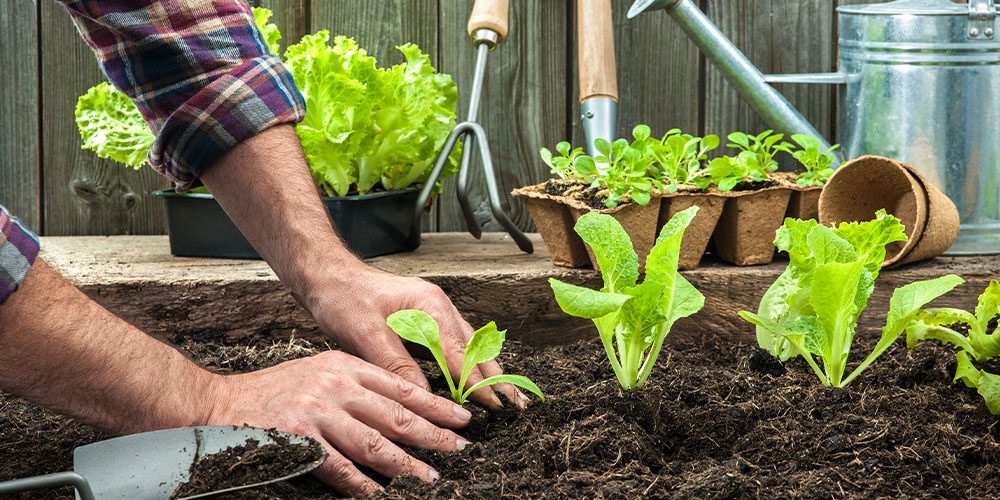
Growing your own food allows you to decide how plants are cultivated. You can choose organic methods, avoid unnecessary chemical pesticides, and adopt environmentally friendly gardening practices that align with your values.
This level of transparency provides peace of mind because you know exactly what goes into producing the food that reaches your table. It also encourages healthier eating habits by increasing appreciation for fresh, natural ingredients.
Supporting Sustainable Living
Locally grown food reduces the environmental impact associated with transportation, packaging, storage, and large-scale agricultural distribution systems that often require significant amounts of fuel and resources. When vegetables, herbs, and fruits are grown at home or sourced locally, the distance between production and consumption is dramatically reduced, helping lower carbon emissions and energy consumption. Even small home gardens can contribute to reducing waste by minimizing the need for excessive packaging materials and encouraging more mindful consumption habits. Home gardeners also tend to develop a deeper appreciation for seasonal produce, leading to less food waste and more sustainable purchasing decisions. Over time, these seemingly small actions collectively support healthier communities and a more environmentally responsible approach to food production and consumption.
Composting kitchen scraps, collecting rainwater, and using natural fertilizers are additional practices that help gardeners minimize environmental impact while creating healthier growing conditions for plants. Composting transforms organic household waste into nutrient-rich material that improves soil quality and reduces the amount of waste sent to landfills. Rainwater harvesting provides an efficient alternative to excessive municipal water usage while helping conserve valuable natural resources. Natural fertilizers and organic gardening methods promote soil biodiversity and reduce dependence on synthetic chemicals that may negatively affect ecosystems. Together, these sustainable gardening practices encourage responsible resource management while supporting healthier plant growth, stronger harvests, and long-term environmental preservation for future generations.
Physical and Mental Health Benefits
Gardening is not only beneficial for nutrition but also for overall wellness and quality of life. Regular gardening activities encourage physical movement through tasks such as digging, planting, watering, pruning, and harvesting, all of which contribute to improved flexibility, coordination, and general fitness. Unlike structured exercise routines that some people find difficult to maintain, gardening offers a productive and enjoyable way to stay active while accomplishing meaningful goals. Spending time outdoors also increases exposure to fresh air and natural sunlight, which can contribute to overall physical well-being. For many individuals, gardening becomes a sustainable lifestyle habit that supports both health and productivity while providing a sense of purpose and daily accomplishment.
Studies and personal experiences alike suggest that gardening can help reduce stress, improve mood, enhance concentration, and create a strong sense of personal satisfaction. The simple act of caring for plants can provide a calming routine that helps individuals disconnect from daily pressures and spend more time engaging with nature. Watching plants grow from seeds into productive crops offers a rewarding experience that fosters patience, mindfulness, and emotional well-being. Many gardeners report feeling more relaxed and mentally refreshed after spending time tending their gardens. The combination of physical activity, outdoor exposure, and meaningful engagement with living plants creates a unique environment that supports both mental health and emotional resilience over time.
Building Food Security and Self-Sufficiency
Growing even a portion of your own food increases resilience and self-sufficiency by reducing dependence on external food supply chains. Herbs, leafy greens, tomatoes, peppers, cucumbers, and many other vegetables can often be cultivated successfully in small spaces such as balconies, patios, rooftops, and backyard gardens. Producing food at home helps households maintain access to fresh produce while reducing grocery expenses and increasing confidence in food quality. During periods of supply chain disruption or rising food costs, home gardens can provide an additional source of nutritious food. While a small garden may not meet all household needs, it can significantly supplement daily meals and encourage healthier eating habits through regular access to freshly harvested ingredients.
Over time, gardeners gain valuable skills related to food production, seasonal planting, soil management, composting, irrigation techniques, pest control, and resource conservation. These practical skills contribute to greater confidence and independence while helping individuals better understand the processes involved in producing healthy food. Learning how to grow and maintain crops also encourages problem-solving, observation, and long-term planning abilities that can be applied in many areas of life. As experience grows, gardeners often become more capable of adapting to changing environmental conditions and improving productivity through sustainable methods. This growing knowledge base supports long-term self-sufficiency and a stronger connection to food production systems.
Creating a Stronger Connection with Nature
Modern lifestyles often create distance between people and the natural systems that support everyday life. Urbanization, technology, and busy schedules can limit opportunities to engage directly with the environment. Gardening helps restore that connection by encouraging individuals to observe seasonal changes, weather patterns, soil conditions, plant growth cycles, pollinator activity, and local biodiversity. These observations create a greater awareness of how natural ecosystems function and how interconnected human life is with the environment. Spending time nurturing plants fosters appreciation for the resources and processes required to produce food, making individuals more mindful of environmental challenges and sustainability efforts.
This deeper understanding of nature promotes environmental awareness and inspires more responsible choices related to food consumption, resource management, and sustainable living practices. As gardeners become more connected to natural processes, they often develop stronger habits related to conservation, recycling, composting, and biodiversity protection. Gardening can also encourage participation in community initiatives, local food programs, and environmental education efforts that benefit both individuals and society. By spending time working with plants and observing ecological systems firsthand, people gain valuable insights that cannot be fully learned through books or digital content alone. This connection ultimately helps build a healthier, more sustainable relationship between people and the natural world.
Every seed planted is an investment in healthier food, a healthier lifestyle, and a healthier planet.
Conclusion
Growing your own food is one of the most effective ways to improve nutrition, support sustainability, and strengthen personal well-being. Beyond the harvest itself, gardening encourages healthier daily habits, environmental responsibility, and a greater appreciation for the food we consume every day. It allows individuals to become more aware of how food is produced while fostering a stronger connection to natural processes and seasonal cycles. Home gardening also provides opportunities to reduce dependence on heavily processed foods, minimize environmental impact, and make more conscious lifestyle choices. As people become actively involved in cultivating their own fruits, vegetables, and herbs, they often discover that gardening offers benefits that extend far beyond the garden itself, positively influencing overall health, well-being, and quality of life.
Whether you are a beginner planting your first herb pot or an experienced gardener maintaining a productive vegetable garden, every step toward growing your own food contributes to a healthier and more sustainable future. Small gardening efforts can gradually develop into lifelong practices that provide fresh produce, valuable skills, and a greater sense of self-sufficiency. The knowledge gained through gardening helps individuals better understand soil health, plant care, resource conservation, and responsible food production. Over time, these experiences encourage more sustainable habits that benefit not only individuals and families but also communities and the environment. Every seed planted represents an opportunity to create positive change through healthier living and environmentally conscious action.
GreenLeafDB is dedicated to helping individuals learn about plants, gardening techniques, organic food, nutrition, and sustainable living practices through reliable and accessible educational resources. Our goal is to empower people with the knowledge and confidence needed to grow healthier food, make informed decisions, and adopt environmentally responsible lifestyles. By bringing together practical gardening guidance, plant information, organic food awareness, and sustainability-focused content, GreenLeafDB serves as a comprehensive resource for anyone interested in living closer to nature. Through continuous learning and community-driven knowledge sharing, we aim to inspire more people to cultivate healthy gardens, support sustainable practices, and build stronger connections with the natural world for generations to come.
Leave a Reply